Web · Business · Conseil · February 20, 2025 · 6 min read
Custom website vs template: how to choose?
WordPress template or custom site? The real question isn't technical - it's business. My pragmatic analysis to help you make the right choice for your situation.
The real question to ask yourself
It's one of the first questions my clients ask: "Do I need a custom website or will a template do?" And my answer often surprises them: the question isn't "custom or not", but "what are your goals?"
A website is a tool that serves your business. The right choice depends on what you want to achieve, your budget, your timeline, and your medium-term vision. Not a technical preference.
When a template does the job perfectly
Let's be honest: for many projects, a good WordPress or Shopify theme is more than enough. It's even the smartest choice in these cases:
- Tight budget: You're starting out and every euro counts. A €60 theme plus a few hours of setup is unbeatable.
- Quick turnaround: You need to be online in 2 weeks, not 2 months.
- Simple showcase site: A homepage, your services, a contact form. No need to reinvent the wheel.
- Standard content: Blog, portfolio, classic pages - templates are designed exactly for this.
A good template with a premium theme, properly configured, looks professional and gets the job done. No need to pay for custom development for a similar result.
When custom is justified
There are cases where a template reaches its limits, and investing in custom development makes complete sense:
Strong branding and differentiation
If your brand has a strong visual identity and you want a site that looks like no other, a template will hold you back. You'll spend hours forcing the theme in a direction it wasn't designed for - and the result will feel off.
Critical performance
If your traffic is high or loading speed directly impacts your revenue (e-commerce, SaaS), a custom optimized site makes the difference. Templates often load dozens of unnecessary scripts and styles.
Specific features
A product configurator, a complex client portal, deep ERP integration - when requirements go beyond standard, custom becomes necessary.
Advanced SEO
For advanced SEO strategies (structured data, optimized Core Web Vitals, custom content architecture), full control over the code is a real advantage.
Scalability
If your business will grow and your site needs to evolve (new features, new markets, integrations), starting with a custom foundation avoids rebuilding everything later.
Headless: a smart compromise
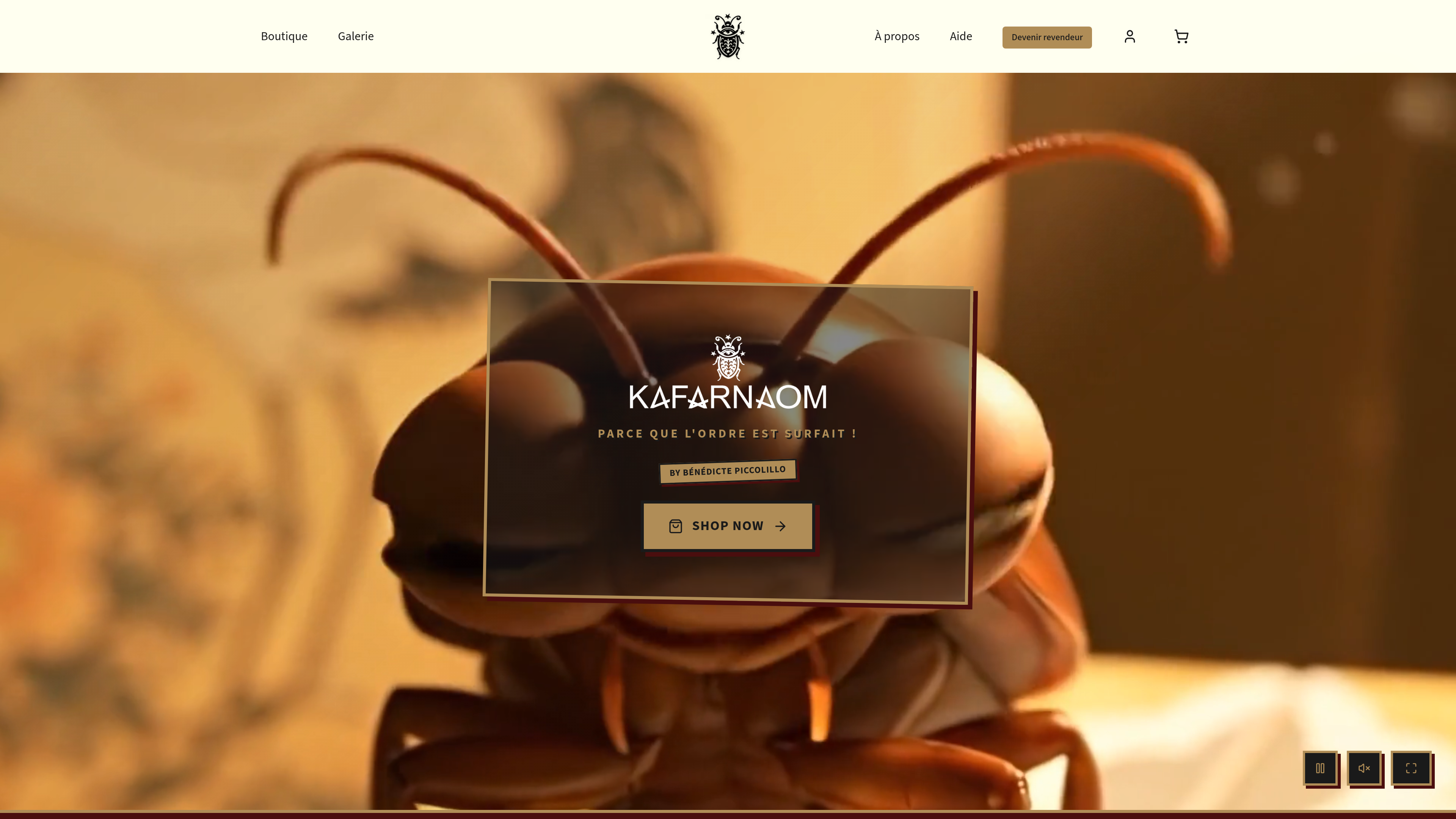
On the Kafarnaom project (an Italian products e-commerce store), I chose a headless approach: a custom Next.js frontend for speed and design, with WordPress/WooCommerce as the backend so the owner could manage products without technical help.
It's a great example of compromise: the client gets a fast, unique customer-facing site while keeping an admin interface they already know. Best of both worlds.
The hidden costs of templates
One point many people underestimate: a "cheap" template can cost a fortune in the long run.
- Endless customization: "Can we just change this detail?" Every modification outside the intended scope takes time and money.
- Plugin accumulation: A plugin for SEO, one for forms, one for cache, one for security... At 20 plugins, your site is slow and fragile.
- Updates that break everything: The theme updates, a plugin becomes incompatible, the site crashes on a Sunday evening.
- Technical debt: After 2-3 years of patches and workarounds, it's often cheaper to rebuild than to keep maintaining.
I've seen clients spend more on maintenance and fixes for their template than a custom site would have cost from day one.
My advice: start simple, scale when justified
Here's the approach I recommend:
- Launching your business? Start with a clean, well-configured template. Focus your budget on content and marketing.
- Business is taking off and the site can't keep up? That's the time to go custom, with clear requirements based on your real needs.
- Specific needs from the start? Invest directly in custom development - it'll save you from paying twice.
Conclusion
There's no universal answer. A template isn't "worse" than a custom site - it's a different tool for different needs. The real trap is choosing based on dogma rather than pragmatism.
My role is to help you make the choice that fits your situation, your budget, and your ambitions. Sometimes that's a well-configured template, sometimes it's full custom development. And often, it's a gradual path between the two.
A similar project?
Custom quote within 24 h, no commitment.